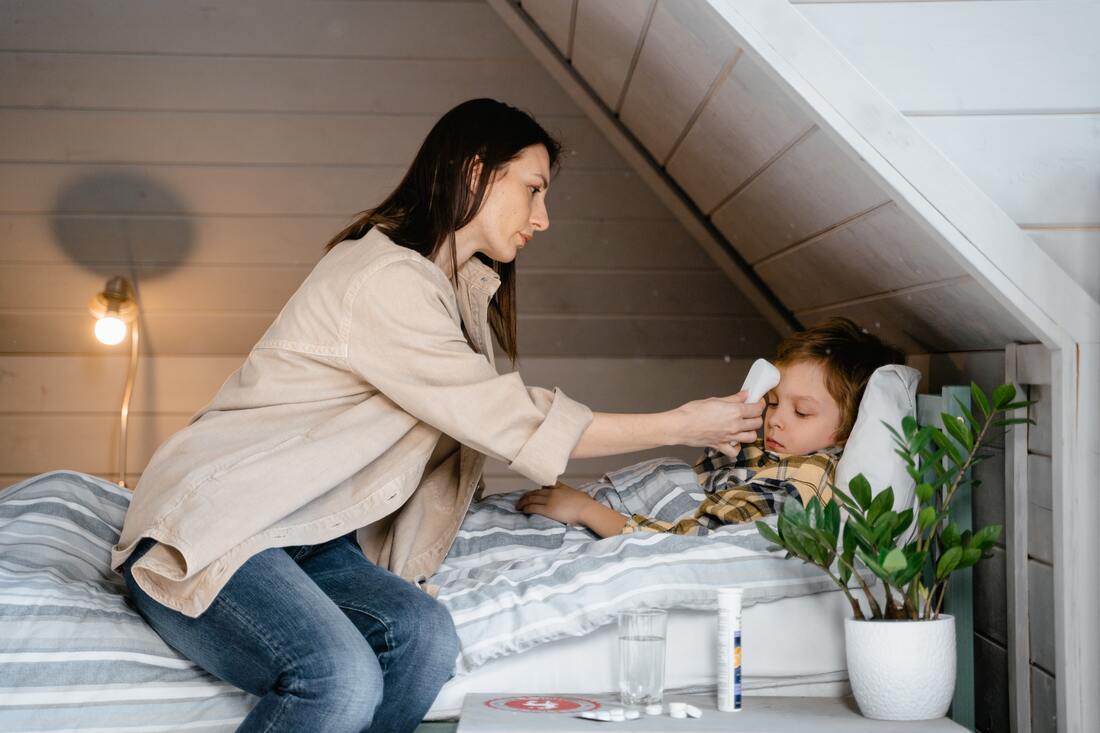
Beth EdmistonBeth Edmiston, PhD, RN, CCRN is a Heights mom and our health advocate! Look for more blogs from Beth about keeping our kids healthy at school and home. The dreaded sick child. We’ve all been there. You wake up, preparing for your day, and then your kid just doesn’t look right. Are they sick? Maybe their temperature is a little elevated or they have a runny nose. They still eat breakfast, and you have a morning meeting that you need to be at… So you have to make the decision on whether or not they should go to school.
As we finish the third full year of a pandemic (not to mention, the ‘tripledemic’ we are currently weathering between COVID-19, RSV, and the flu), this is beyond tiresome and frustrating for us parents. However, “this too, shall pass,” and we need to remember why it is so important to keep sick kids at home. Our beautiful Heights Coop Preschool is a small community. Many of us have younger children and infants who have basically no immunity and are not old enough for vaccines. I see so many grandparents who graciously pick up and drop off students and who likely do some caregiving. A handful of us take care of sick people or care for the elderly. Heights Coop School staff are only a handful of amazing teachers. When one of us is sick, we are all exposed. While most of us can manage our sick selves at home, please keep in mind that the three viruses mentioned above hospitalize and kill thousands of the elderly and young just in an average year. Minimizing illness exposure of vulnerable people is everyone’s responsibility. Signs and Symptoms to Look For Fever (100.4°F) is the most obvious sign of illness; however, there are many other signs and symptoms that warrant a child staying home from school. A low-grade temperature (99-100.3°F) also indicates that your child may be sick or starting to show signs of illness. Vomiting, diarrhea, runny nose, and severe coughing also are all obvious signs. Some less obvious signs and symptoms of common illnesses may include sore throat, difficulty swallowing, lack of energy, or generally not feeling well. Don’t forget, if you child has needed a fever-reducing medication (Tylenol/acetaminophen, Motrin/ibuprofen) within the last 24 hours, keep your child home because they are still contagious! Lastly, if your child is exhibiting symptoms and has known or suspected exposure, please have them tested. Screen-free Activities for Sick Days It is a real struggle to keep a sick child busy! Of course, movies, YouTube, and television shows can be nice, restful options (remember, you have that meeting!), but when you can, engaging your child in activities encourages their development even during an illness. Pick activities with familiarity to promote comfort and security and avoid frustrating tasks. A sick child’s attention span will be shorter than normal, so plan for frequent breaks and (fingers crossed) a long nap. If your child wants to or needs to stay in bed, use a lap desk or cardboard piece to give them a firm surface to work on. Coloring, reading, duplos/blocks, and puzzles are easy, quiet activities to do together. Playdoh, painting, and cutting and pasting are a little messier, but can entertain children for a while. Bubbles are nice for warmer weather and may even help clear out lungs. Of course, enjoy all of the cuddles and hugs you will inevitably receive!
0 Comments
Your comment will be posted after it is approved.
Leave a Reply. |
Archives
November 2025
Categories
All
|
RSS Feed