|
Separation anxiety is a common phase in a child’s development, often presenting itself during milestones like starting preschool or daycare. As a parent, witnessing your child struggle with separation can be emotionally challenging. However, there are several strategies you can employ to make this transition smoother for both you and your child. Here are some practical tips to help navigate through separation anxiety:
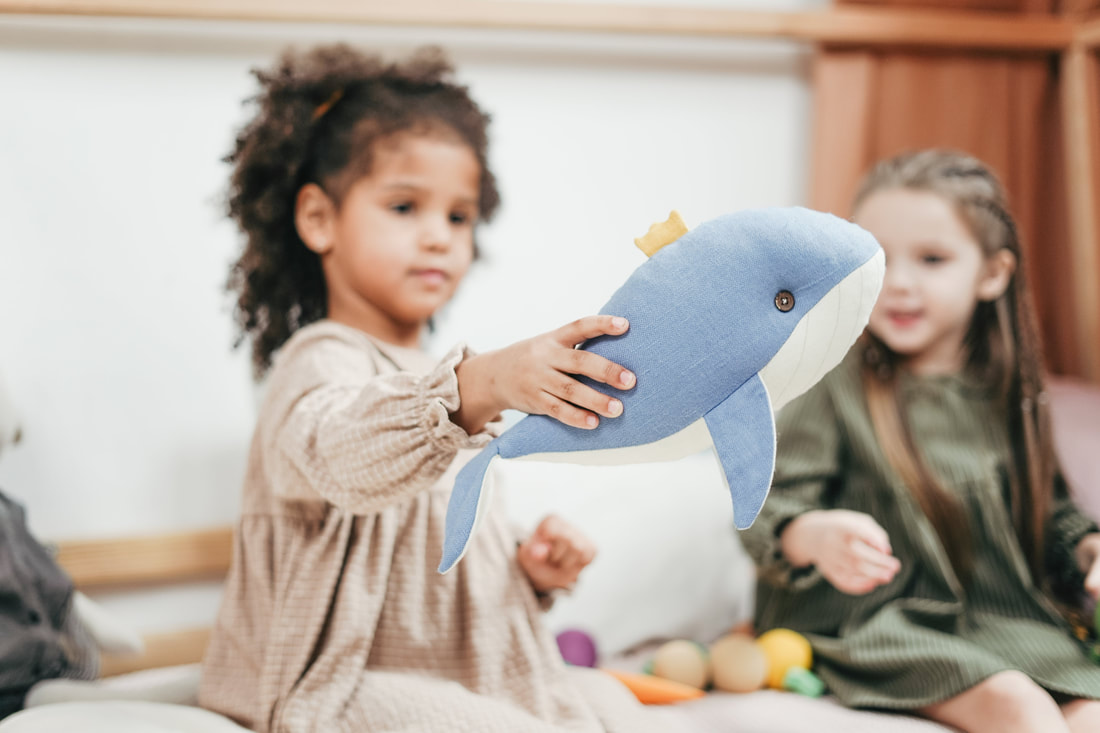
1. Gradual Transitions Ease your child into the idea of separation by introducing short periods of time away. Start with brief intervals and gradually extend them as your child becomes more comfortable. This helps build their confidence and trust that you will return. 2. Establish Consistent Routines Children thrive on routines and predictability. Create a consistent drop-off routine with specific rituals, such as a special goodbye hug or a comforting phrase. This establishes a sense of security and makes transitions more manageable. 3. Familiarity Breeds Comfort Introduce your child to their new environment or caregiver gradually. Spend time together in the new setting, allowing them to explore and become familiar with the surroundings. Familiarity can significantly reduce anxiety. 4. Open Communication Talk to your child about the upcoming separation in a positive and reassuring manner. Explain where you will be, when you’ll return, and emphasize that separations are a normal part of life. Encourage them to share their feelings with you. 5. Choose a Transitional Object Select a small, comforting item—like a favorite toy or a family photo—that your child can bring along during separations. This transitional object serves as a source of comfort, offering a tangible connection to home. 6. Build a Relationship with Caregivers Foster a positive relationship between your child and their caregivers. Encourage communication between you, the caregivers, and your child to create a supportive network. Knowing that you trust the caregivers can alleviate anxiety. 7. Stay Calm and Consistent Maintain a calm demeanor during drop-offs and pick-ups. Children often mirror their parents’ emotions, so projecting confidence and assurance can help reassure them. Consistency in your reactions builds trust over time. 8. Celebrate Small Achievements Acknowledge and celebrate your child’s successes, no matter how small. Reinforce the positive aspects of separation experiences, emphasizing the enjoyable activities or new friends they encountered during your absence. 9. Be Patient Separation anxiety is a natural phase that varies in duration for each child. Be patient and understanding, providing the emotional support your child needs as they navigate this developmental milestone. 10. Seek Professional Guidance if Needed If separation anxiety persists and significantly impacts your child’s well-being, consider seeking guidance from a pediatrician or child development expert. Professional advice can offer tailored strategies to address your child’s unique needs. Conclusion: Nurturing Independence with Love While separation anxiety can be challenging, it is a normal part of a child’s growth. By approaching it with patience, understanding, and these practical tips, you can help your child build confidence and develop a sense of independence. Remember, every child is unique, and finding what works best for your family may take time. Through consistent support and love, you can guide your child through this phase, fostering their independence and resilience along the way.
0 Comments
Your comment will be posted after it is approved.
Leave a Reply. |
Archives
November 2025
Categories
All
|
RSS Feed